

The Rise of Integrated Electric Ovens: Redefining Kitchen Efficiency and Style
In the ever-evolving landscape of kitchen devices, the integrated electric oven has actually emerged as a game-changer. As consumers progressively seek smooth styles that enhance both performance and visual appeal, integrated electric ovens are acquiring traction. This post explores the features, advantages, and style considerations associated with integrated electric ovens, making them a rewarding investment for modern homes.
What is an Integrated Electric Oven?
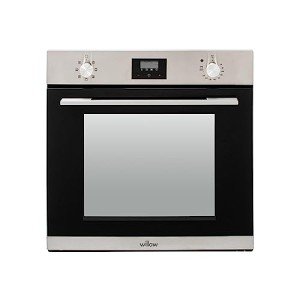
An integrated electric oven is developed to mix easily into cooking area cabinetry, offering a streamlined look that takes full advantage of space and improves the overall style of the cooking area. Unlike standalone ovens, which can inhabit important flooring area and create a disjointed look, integrated designs are built into the kitchen cabinetry, providing a cohesive and modern visual.
These ovens come in different sizes and setups, including single, double, and multi-function designs, dealing with various cooking requirements and cooking area layouts. With choices for both standard and convection cooking, as well as added functions like steam cooking, these ovens make meal preparation more versatile and efficient.
Benefits of Integrated Electric Ovens
1. Space Efficiency
One of the most significant advantages of integrated electric ovens is their ability to conserve space. By fitting into kitchen cabinetry, they maximize counter top area and can even develop an illusion of a larger kitchen area. This is especially helpful for smaller kitchens where every square inch counts.
2. Visual Appeal
Integrated electric ovens provide a sleek and contemporary look. They remove the gap often seen with standalone home appliances, producing an unified look that can elevate the total style of the cooking area. Numerous producers use customizable surfaces and paneling alternatives, enabling homeowners to select designs that match or match their kitchen cabinetry.
3. Improved Functionality
Integrated electric ovens typically include sophisticated functions that enhance cooking performance. With alternatives such as self-cleaning, smart cooking programs, and exact temperature controls, they accommodate the requirements of both amateur cooks and culinary enthusiasts. Lots of models now also include wise innovation, enabling users to manage their ovens from another location by means of mobile phone apps.
4. Improved Energy Efficiency
Integrated electric ovens typically boast better energy efficiency compared to older standalone designs. Numerous of them are created with improved insulation, ensuring heat retention and decreasing energy intake. Furthermore, the incorporation of convection cooking innovation enables for much faster cooking times with lower energy use.
5. Versatile Cooking Options
Modern integrated electric ovens come geared up with a wide range of cooking modes, including baking, broiling, roasting, and steaming. This flexibility empowers users to explore different cooking strategies, adjusting to various dishes and dietary requirements. For those who love to amuse, functions like multiple cooking racks enable preparing several dishes all at once.
Design Considerations
When selecting an integrated electric oven, several key aspects ought to be considered:
1. Size and Fit
Before purchasing, it's vital to determine the kitchen space precisely. Integrated ovens are available in basic sizes that fit within normal cabinet measurements, however confirming the measurements guarantees an ideal fit. Additionally, think about the door swing and accessibility of controls when selecting the positioning.
2. Ventilation
Correct ventilation is vital for any cooking area appliance, especially when cooking at heats. Integrated builtin ovens need to be installed in a way that cultivates airflow and avoids heat build-up. Depending upon the layout of the kitchen, it may be essential to include extra ventilation solutions.
3. Power Connection
Considering that integrated electric ovens require a specific power connection, it is necessary to seek advice from a qualified electrician before installation. Making sure that the circuitry meets the oven's requirements will avoid potential hazards and guarantee ideal performance.
4. Style and Finish
Selecting the right design and finish to match the cooking area décor is vital. From stainless-steel to custom cabinetry panels, integrated electric ovens can be tailored to fit numerous aesthetics, ensuring that they enhance the cooking area's overall visual appeal.
Conclusion
Integrated electric ovens represent a blend of contemporary technology and style resourcefulness, providing an efficient and trendy option for contemporary kitchens. As house owners prioritize both performance and looks in their cooking spaces, these ovens stand apart as an engaging option. Buying an integrated electric oven not just boosts cooking capabilities however likewise transforms the cooking area into a sophisticated and unified environment where cooking imagination can flourish. Whether you're a busy family or a cooking lover, the combination of these flexible home appliances can significantly elevate your cooking experience.